Daily Chronicles
Day 7: Oct 24, 2025 : Lobuche
The Route: Dingboche → Lobuche
Altitude: 14,470 → 16,210 ft / 4,410 → 4,940 m
Distance: 8 km
Duration: 6 hours
“Heavy Steps, Quiet Resolve …”
Four out of the six of us woke up sick—sinus pressure, congestion, low-grade fever. After loading up on ibuprofen, sinus meds, and lozenges, and bundling ourselves against the cold, we headed out after breakfast. It wasn’t our strongest morning, but the trail doesn’t wait.
After an initial climb, the terrain briefly flattened out—and with it came a shift that felt symbolic. This was our introduction to what lay ahead.
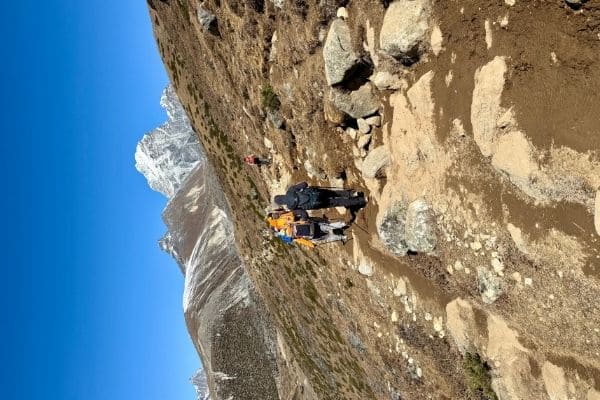
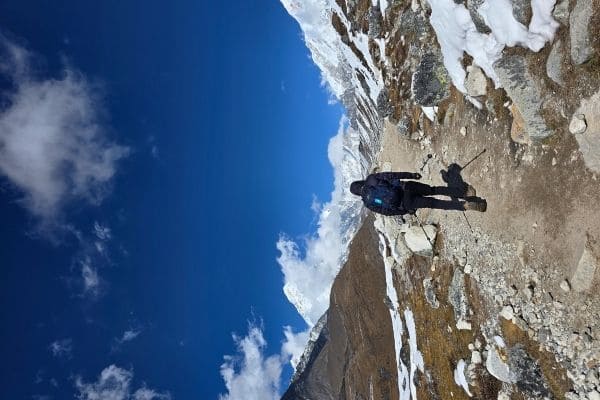
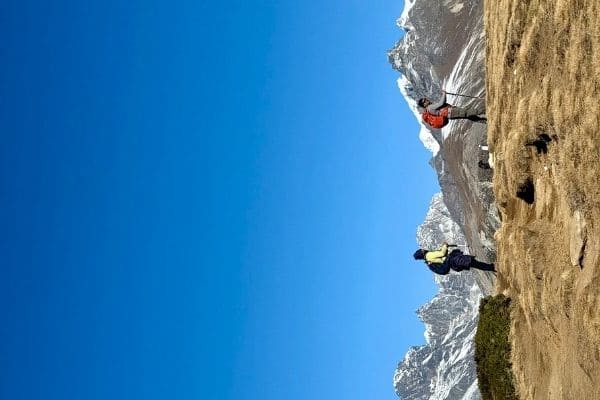
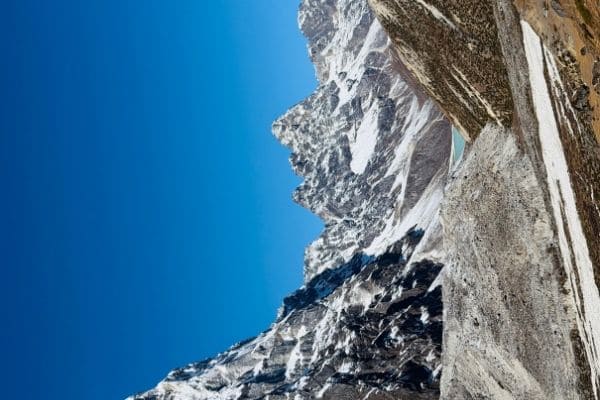
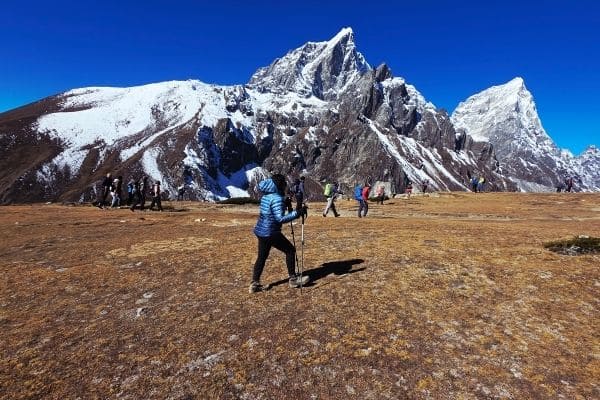
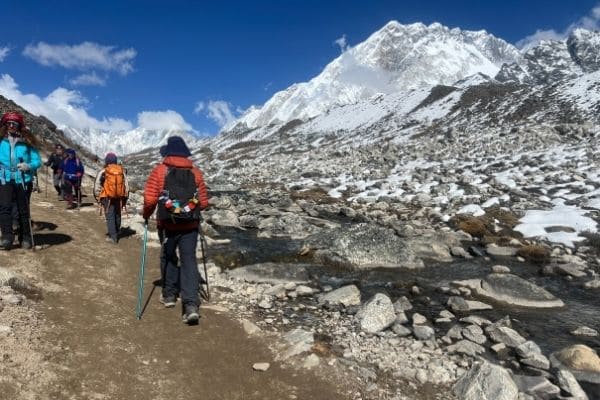
The familiar comforts of earlier days were gone. No suspension bridges, no prayer wheels, no scrubby bushes. We had entered a stark new landscape—giant mountains, vast open plains, packed dirt, loose rocks, and zero vegetation. The trail grew drier, dustier, and less defined. Settlements became fewer, and amenities more basic with every step upward.
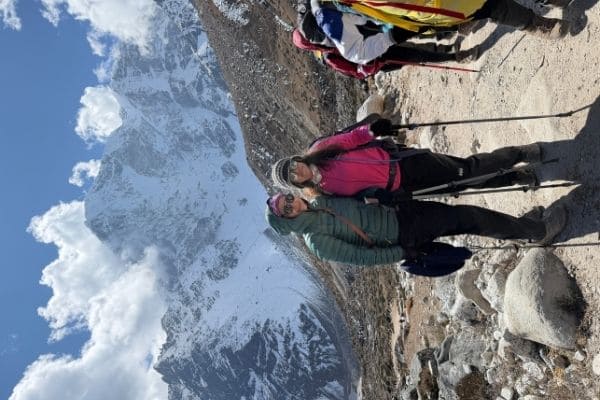
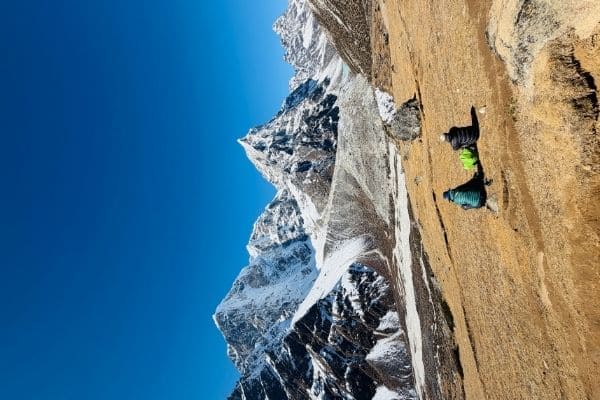
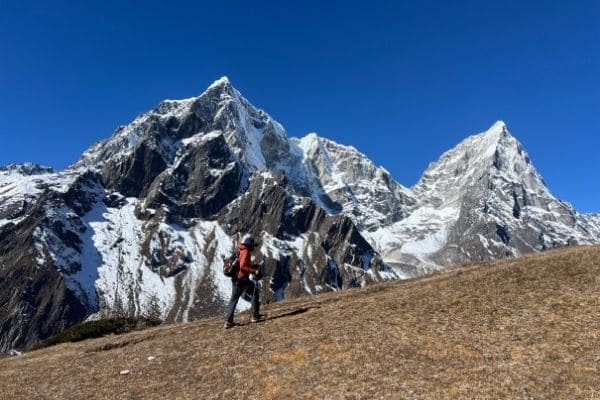
We walked with a river gorge on one side and towering Himalayan walls on the other. As we moved along the Khumbu Glacier, the scenery opened into sweeping views of surrounding peaks and immense glaciers—beautiful, intimidating, and humbling all at once. The path was well-trodden, but far from easy.
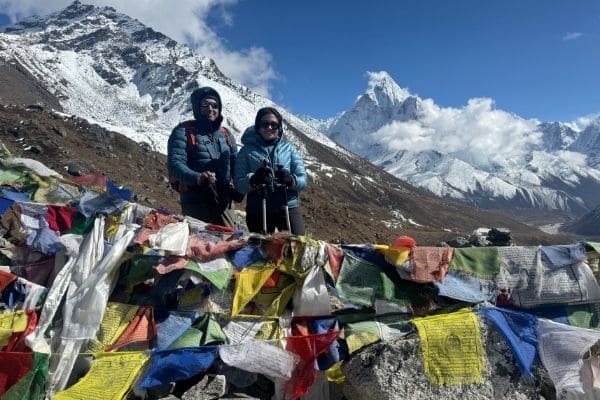
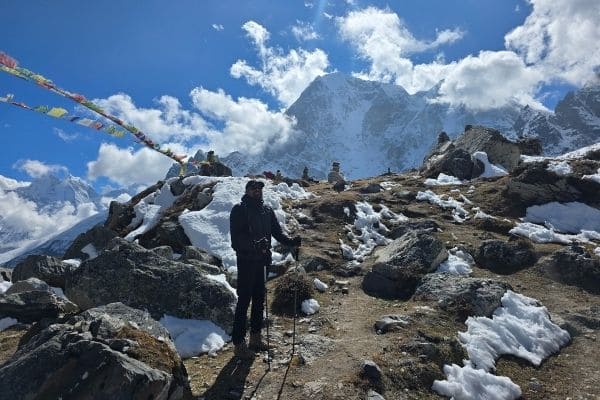
Then came Thukla Pass—a relentless 200-metre climb that took us up to 15,800 feet (4,800 m). It tested everyone, especially those of us who weren’t feeling well. Breathing was laboured, steps slowed, and breaks grew longer. After a break, getting back to a reasonable pace and rhythm took even longer.
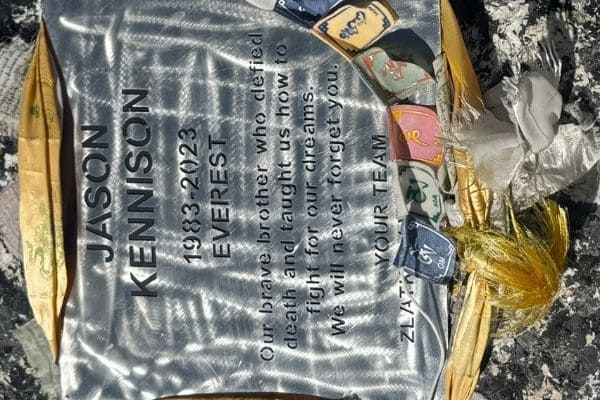
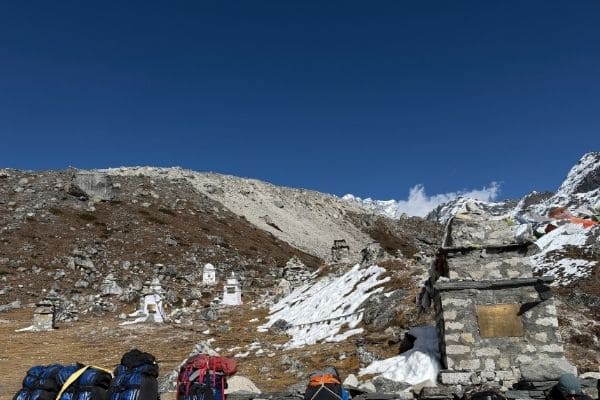
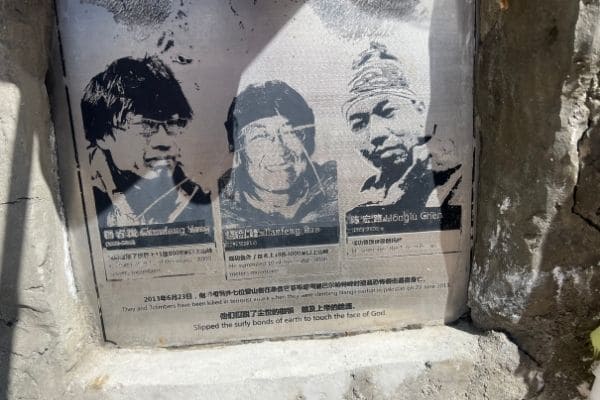
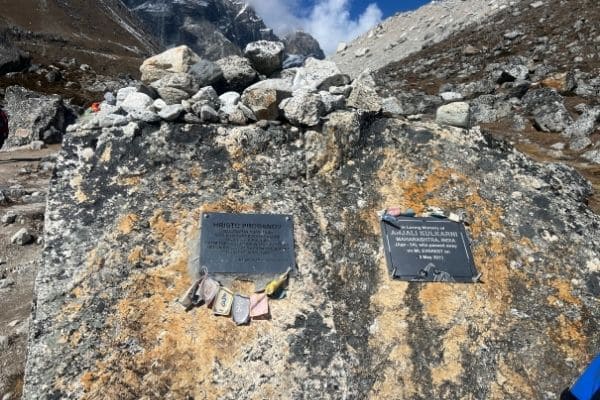
At the top stood the Everest Memorial—a field of cairns built in honour of climbers and Sherpas who never returned. The site was deeply moving. A quiet, solemn pause that reminded us of both the courage these mountains demand and the lives they have claimed. It was inspiring and sobering in equal measure.
Beyond the pass, the trail turned into what trekkers fondly call “Nepali flat.” At nearly 5,000 metres, even flat ground felt exhausting. For some of us, sheer willpower became the primary fuel.
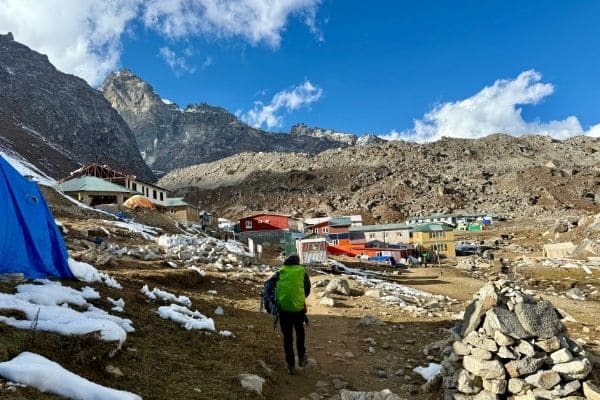
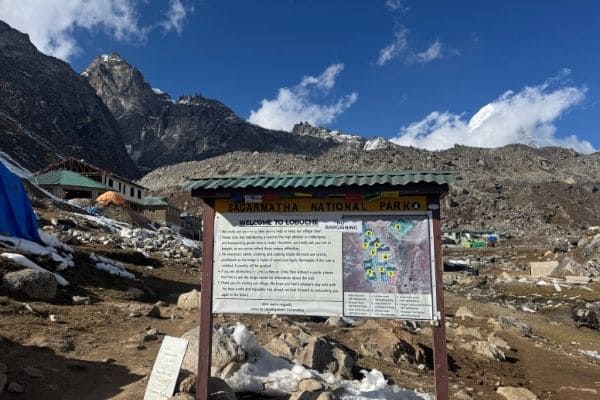
By late afternoon, we reached Lobuche, a tiny settlement near the Khumbu Glacier. The dining hall felt packed and noisy—understandable, as accommodation options shrink with altitude. Yet outside, the Himalayas stood in vast, unsettling silence. That stillness was occasionally broken by coughing echoing from one room or another in the lodge—a reminder of where we were, and what thin air does to the human body.
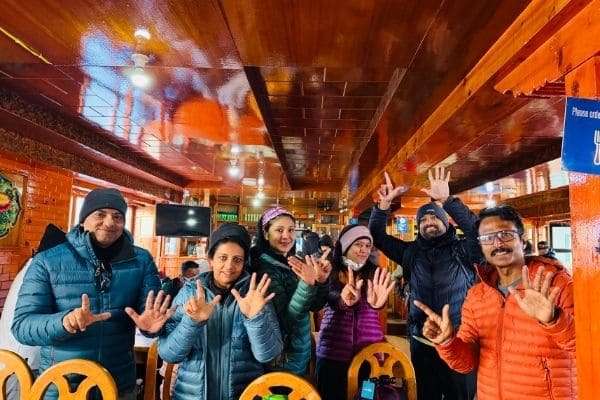
After dropping our bags, we gathered in the dining hall and had a much-needed moment of levity when the alumni flag we’d brought for the summit went missing. What followed was a hilariously chaotic search operation—ending in laughter that felt medicinal in itself.
Seeing how slow and drained some of us were, Dilman offered an option. Skip the next night halt at Gorakshep which was at 17000 feet. Instead, go straight from the current tea house to Everest Base Camp and return the same day to Lobuche with pony rides for part of the route.This would allow the ill among us to avoid a long days walk and avoid spending the post-summit night at a less than basic tea house at the highest settlement before EBC.
It was practical. Sensible, even. But clarity wasn’t exactly abundant that day—our heads were foggy, noses numb, and energy scarce. Still, the decision came easily. We had come here to walk all the way to Everest Base Camp. And that’s exactly what we would do—on our own two feet… or crawling, if it came to that.
The rooms and bathrooms at this teahouse were the most basic we’d encountered so far. The water in the buckets felt colder than ever. Used tissues went into open bins—standard high-altitude “amenities” now part of daily life. We turned in early that night—partly from exhaustion, partly from disbelief. It started to sink in-within less than 24 hours, we might be standing where we had dreamed of for so long.
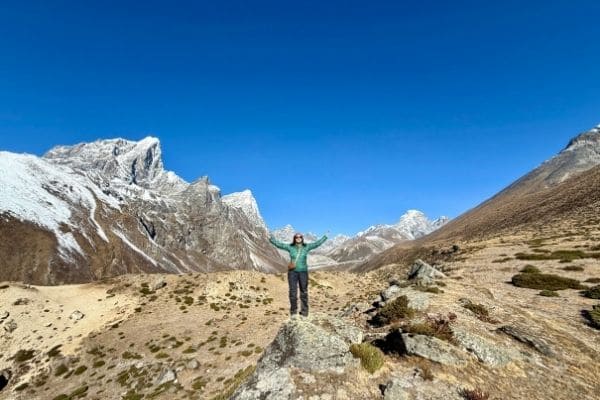

Note to the Mountains : Day 7
Today you stripped the trail down to its essentials—
rock, wind, silence, and the thin line
between strength and surrender.
At Thukla Pass, among the cairns,
we felt the cost of climbing you,
and the privilege of being allowed to try.
Sickness, cold, uncertainty —all of it walked beside us,
yet somehow, so did will power.
Tonight, in the thin air and colder rooms near your glacier,
with shivering bodies and stubborn hope,
we brace ourselves gently,
knowing tomorrow we walk toward a dream.
Your trekkers, signing off for the day.